Home
理
理 · reason
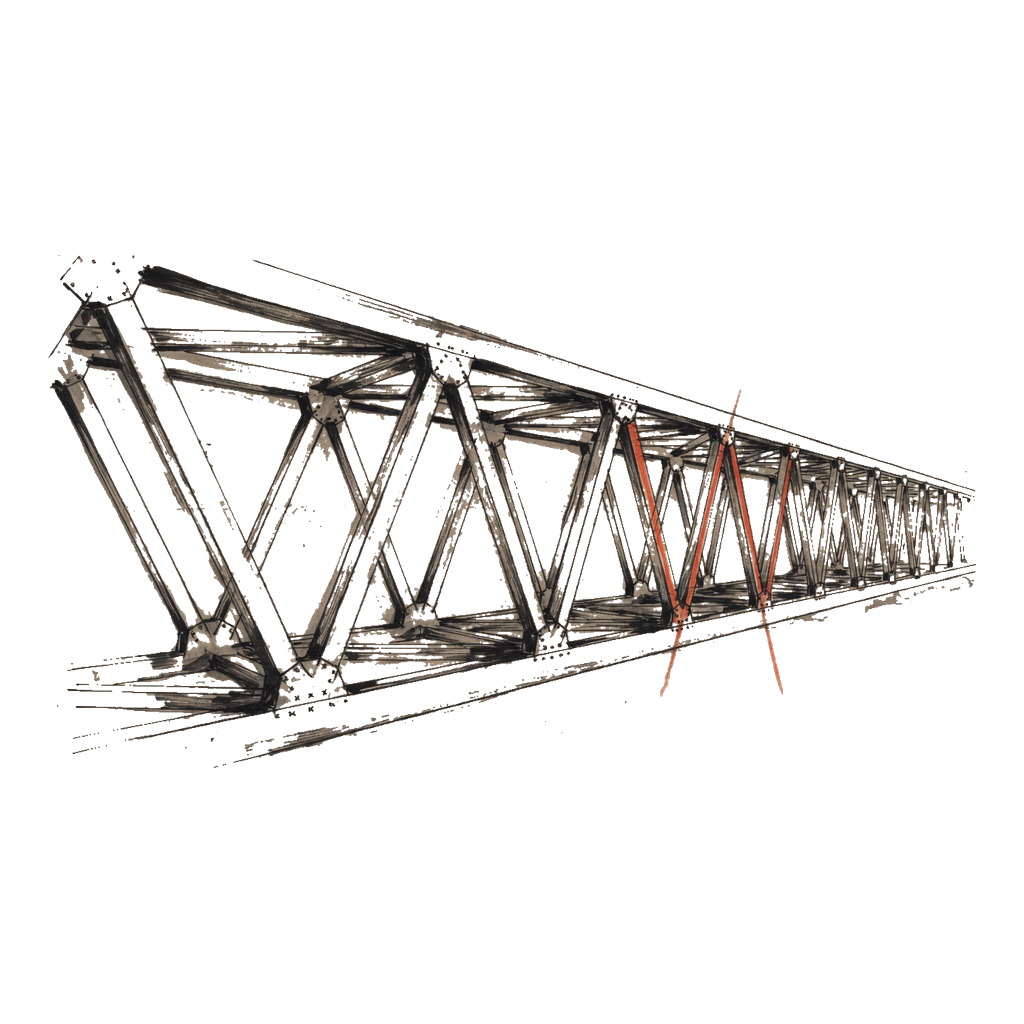
Li is a compiled language for science and simulation. You write ordinary code, then you write what has to stay true. If that doesn’t hold, Li will not give you a program.





-
New here?
Start with Hello world, Math-first HPC examples, and the Examples gallery.
-
Learn the language
Language handbook — types, numbers, SIMD, parallel, contracts.
-
How the compiler works
-
Trust but verify
All tests and Security audits.
-
Agents and chats
Fetch llms.txt, not the HTML. How to ingest this handbook.
Three promises
| Prove it | Target: lic build fails if proofs do not close. Today: static gate; gaps. |
| Write it easily | Readable syntax; Python-like types without Any. |
| Run it fast | LLVM + SIMD + parallel for after proof. |
Quick example
Install and build
Full documentation map
| Section | Contents |
|---|---|
| Guide | Tutorials and copy-paste examples |
| Language | Every type, feature, and rule |
| Compiler | Compile-time behavior |
| Testing | Suites, fuzz, CI, audits |
| Provability gaps | What is not proved/wired yet (honest status) |
| Ecosystem | Packages, lip, governance (li-langverse) |
| Creating packages | li-new-package scaffold |
| For agents | llms.txt, raw Markdown, handover |
| Reference spec | Normative design (technical) |
Project status
The compiler is under active development. Phase tracker: Master plan. What proofs exist today: Provability gaps. Native HPC (SIMD + OpenMP): Phase 7 plan.